What this guide covers
Understand how alternate phases can change visuals, loops, intensity, and content expectations. The goal is to help players make a useful choice or solve a real gameplay problem without requiring music-production experience.
A practical approach
- Compare the exact versions named on each page.
- Use the same number of performers.
- Separate visual preference from sound preference.
- Check device performance and touch behavior.
- Choose the version that fits your preferred complexity.
What to check before continuing
Where to go next
Use the related games and guides below to continue with a more specific version, device, or mixing goal.
Frequently asked questions
Does this advice work in every music-mixing game?
The core listening and layering method is widely applicable, while exact buttons and special modes can differ by game.
Do I need headphones?
They are optional, but headphones make quiet effects, bass parts, and stereo details easier to separate.
Should I fill every character slot?
No. A smaller arrangement often sounds clearer because every loop has more room.
Can I use these steps on mobile?
Yes. Use touch controls and landscape orientation when the game board needs additional horizontal space.
What actually changes between the modes?
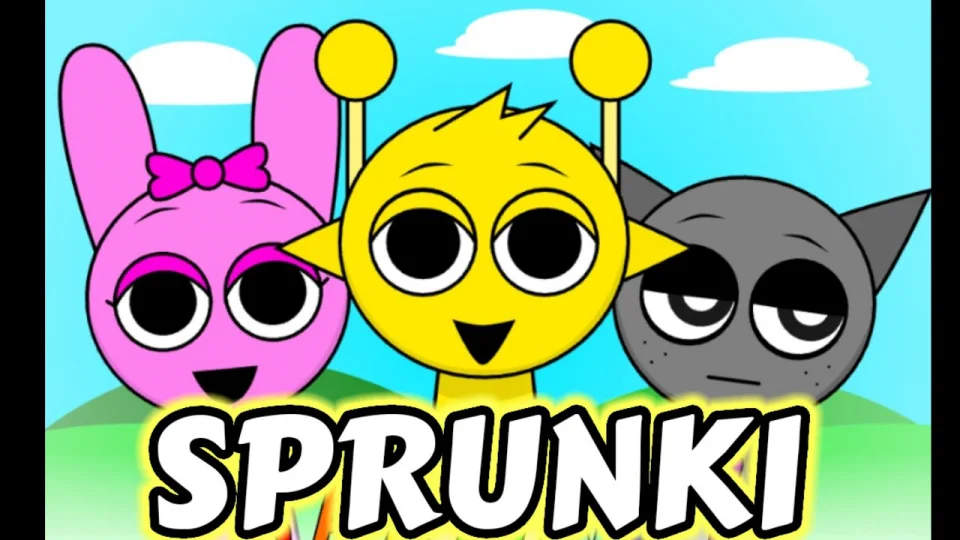
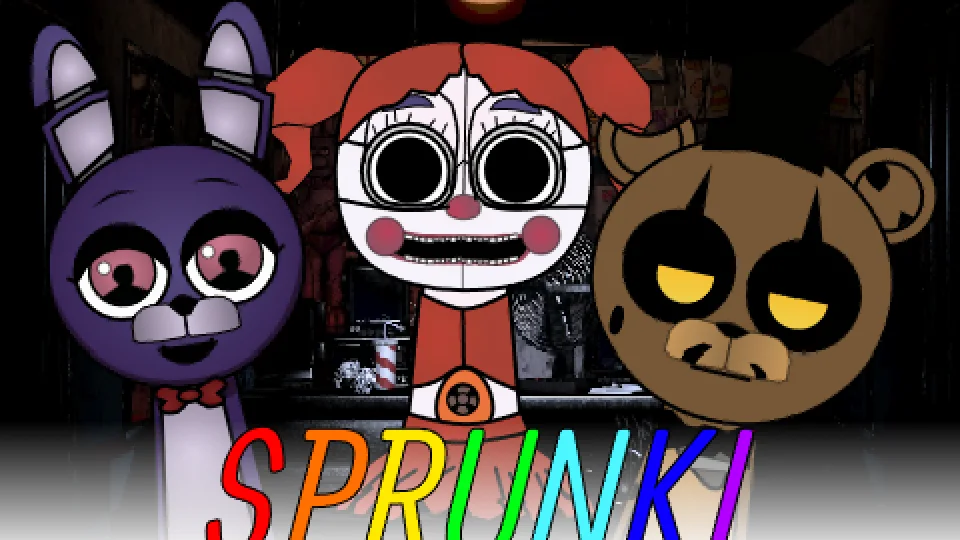
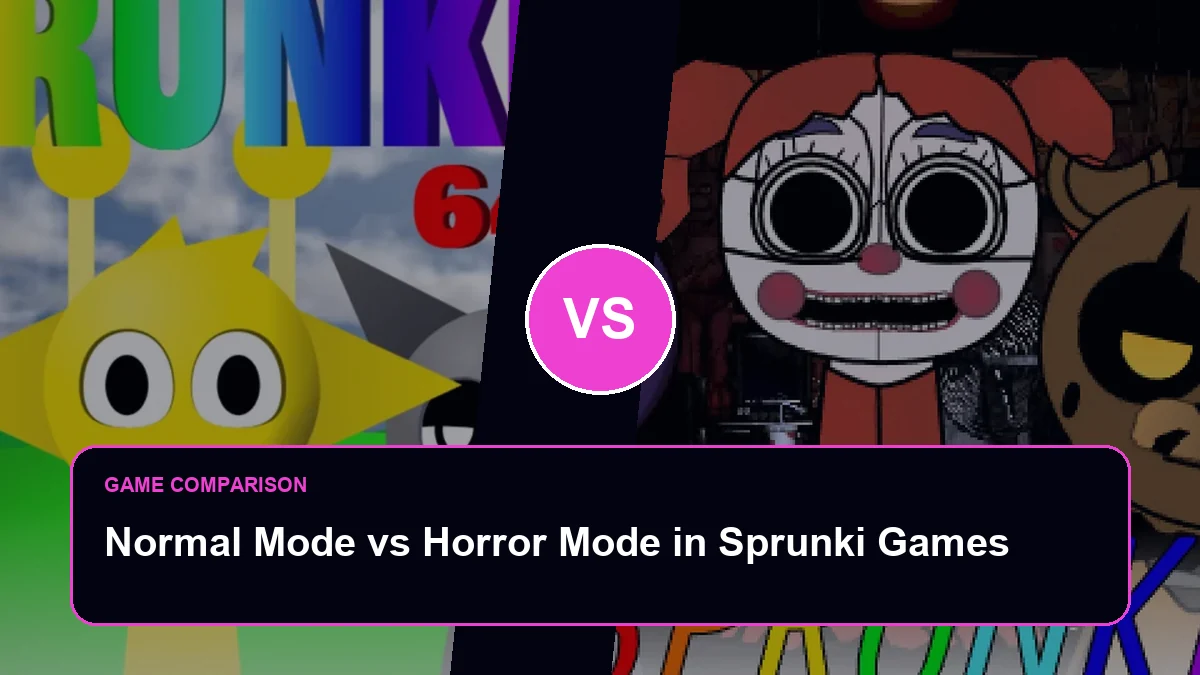
Normal and horror modes should be compared across four separate dimensions: artwork, animation, sound set, and player decisions. A darker palette or altered expression changes presentation. Distorted voices, new effects, different timing, or a changed roster alter the mix itself. Keeping those dimensions separate prevents a visually intense transformation from being mistaken for deeper gameplay when the underlying loop choices remain similar.
Use the same roster before and after the change
Create a restrained four-character mix in normal mode and listen for two complete repetitions. Note the pulse, the most recognizable phrase, and the quietest supporting sound. Trigger the alternate phase, rebuild the closest available roster, and make the same observations. If the rhythm and arrangement remain understandable but the emotional tone changes, the horror mode is primarily an atmospheric variation. If roles, timing, or available combinations change, it provides a different mixing problem.
Volume and predictability matter here. Horror presentations may use sudden imagery, sharp attacks, distortion, or louder-feeling effects. Begin at a moderate volume and avoid assuming that a playful normal mode guarantees a mild alternate state. A player who values relaxed experimentation may prefer the normal presentation even when the transformed mode contains more novelty.
Decision scenarios
Use normal mode for teaching the controls, identifying roles, recording a clean reference mix, or playing where sudden imagery would be distracting. Choose horror mode for a deliberate second pass when you want to examine how tension, transformed animation, and altered sound treatment affect the same arrangement. If a visitor is uncertain about intensity, preview at low volume and avoid activating a transformation merely to discover whether it is comfortable. The comparison cannot assign one content rating to every Sprunki-related title because implementations differ. Its practical rule is narrower: treat each alternate phase as a separate presentation state, check its audio and visual changes before recommending it, and never assume that familiar controls make the transformed content equally suitable for every setting.
Our conclusion
Normal mode is the better default for learning characters, testing combinations, and maintaining a readable mix. Horror mode is worthwhile when atmosphere, contrast, and transformation are part of the desired experience. Judge it by whether the alternate state creates meaningful new listening choices, and not by shock value alone. Visitors sensitive to sudden visual or audio changes should remain with the predictable mode or choose another mixer.
Final review note
Do not use one transformed moment as evidence for every title in this category. Different games may change only presentation, replace several loops, or introduce a separate phase structure. Repeat the before-and-after roster test on the exact game being played. This keeps the recommendation tied to observable changes and prevents a general label such as horror mode from promising the same intensity or mechanics everywhere.
The safer default remains normal mode whenever the alternate state has not been previewed on the exact game and device being recommended.