What this guide covers
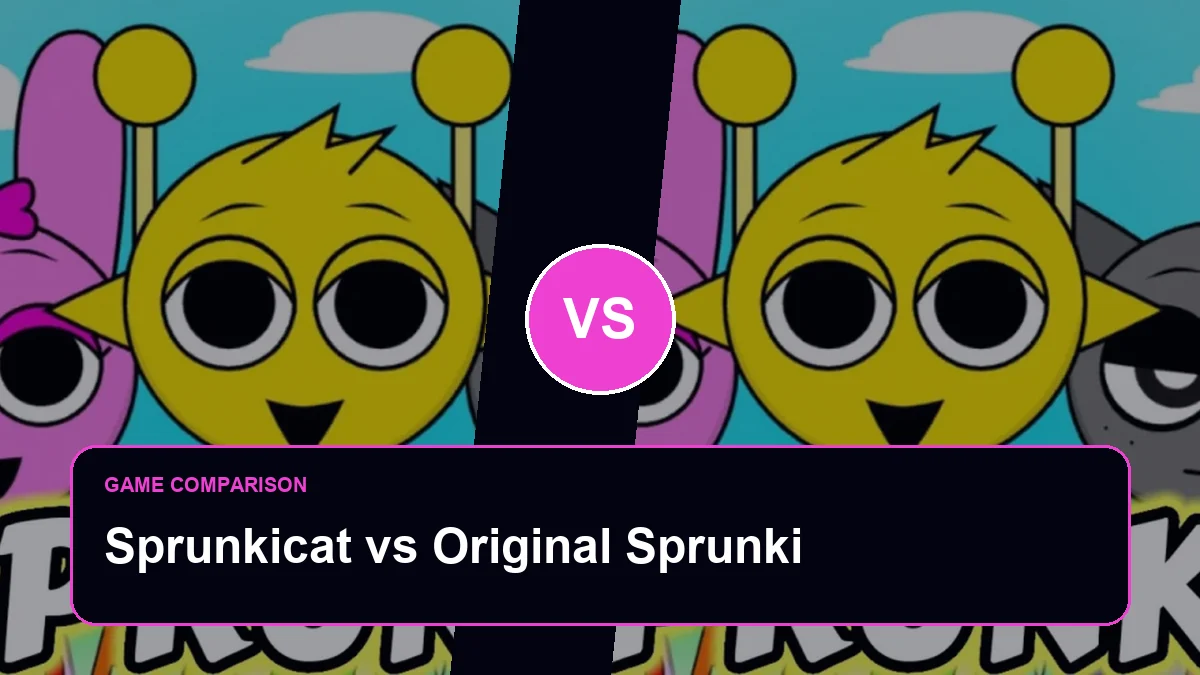
Compare a cat-themed expansion with the familiar original Sprunki structure. The goal is to help players make a useful choice or solve a real gameplay problem without requiring music-production experience.
The advice focuses on browser-based character mixers. Individual games may move a button or rename a mode, but the underlying rhythm, layering, and listening principles remain useful across the library.
A practical approach
Work through the process one change at a time. Listening before adding the next layer makes it easier to understand which character, browser setting, or control caused the result.
- Compare the exact versions named on each page.
- Use the same number of performers.
- Separate visual preference from sound preference.
- Check device performance and touch behavior.
- Choose the version that fits your preferred complexity.
What to check before continuing
Confirm the basic state first: the game has loaded, audio is allowed after interaction, the selected performers stay synchronized, and the interface remains responsive.
When something changes unexpectedly, remove the newest layer or reverse the newest setting. This creates a clear comparison and avoids rebuilding the entire mix.
Where to go next
After the basic method works, repeat it with a different combination or a closely related game. Comparing two arrangements is one of the fastest ways to hear the role of rhythm, melody, voice, and effects.
Use the related games and guides below to continue with a more specific version, device, or mixing goal.
Frequently asked questions
Does this advice work in every music-mixing game?
The core listening and layering method is widely applicable, while exact buttons and special modes can differ by game.
Do I need headphones?
They are optional, but headphones make quiet effects, bass parts, and stereo details easier to separate.
Should I fill every character slot?
No. A smaller arrangement often sounds clearer because every loop has more room.
Can I use these steps on mobile?
Yes. Use touch controls and landscape orientation when the game board needs additional horizontal space.