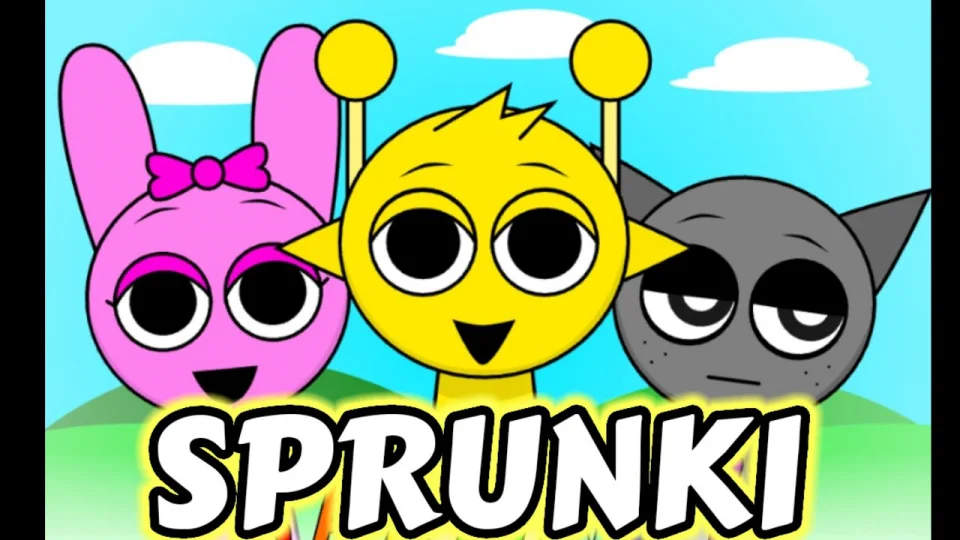
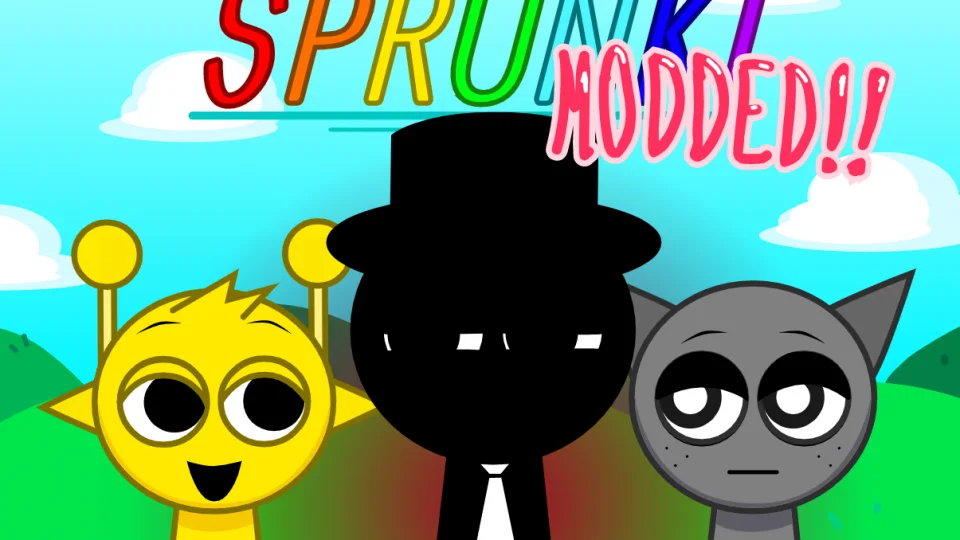
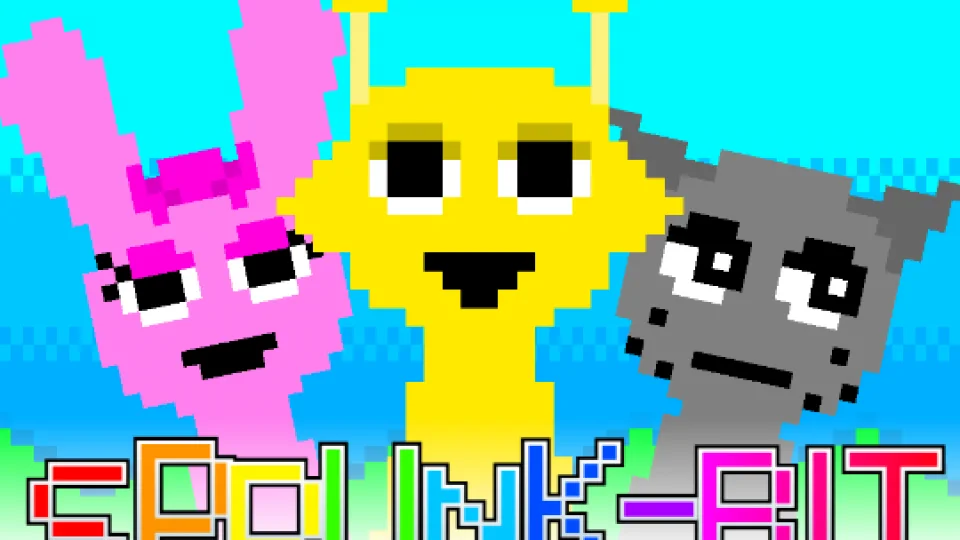
Art-style Sprunki mod
Mindful Papers
Mindful Papers is a browser music-mixing game built around a distinctive paper-like visual direction paired with an intense musical palette.
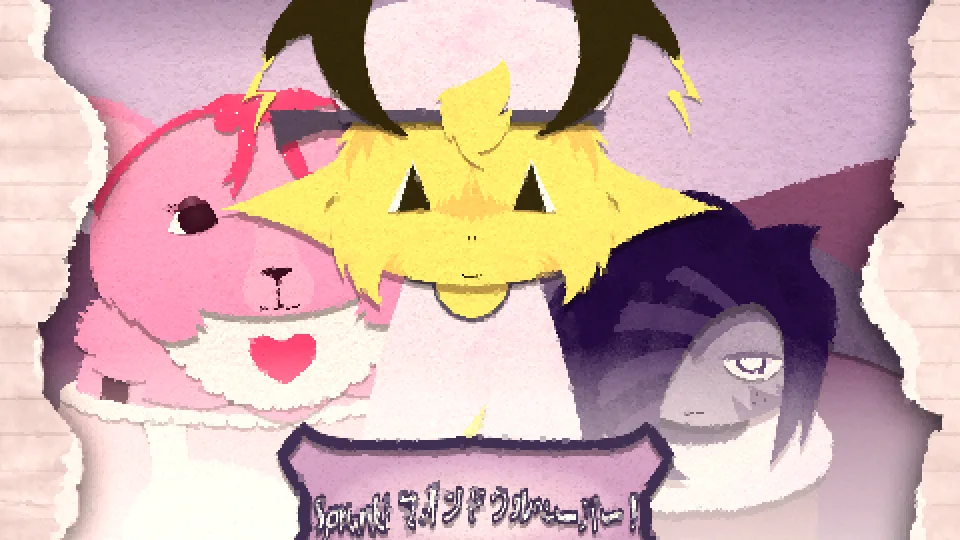
Play Mindful Papers
Start the game in your browser and switch to full screen at any time.
What is Mindful Papers?
Mindful Papers is a browser music-mixing game built around a distinctive paper-like visual direction paired with an intense musical palette. Instead of asking players to follow a fixed song, the format turns each character into a musical part that can be added or removed while the mix is playing.
How to play Mindful Papers
- Start with one beat or bass loop.
- Add a second rhythm only if it supports the first.
- Introduce melody and voice parts one at a time.
- Mute or remove a character to compare the mix.
- Reset the board when you want a completely new arrangement.
Mindful Papers controls
Mixing tips for Mindful Papers
- Use headphones to separate quiet effects from the main rhythm.
- Keep one clear rhythmic anchor in every arrangement.
- Compare a four-character mix with a full-stage mix.
- Pair short percussion sounds with longer melodic loops.
- Change one performer at a time so you can hear the difference.
- Try unusual combinations after learning the most balanced roles.
Mindful Papers FAQ
What kind of game is Mindful Papers?
Mindful Papers is a character-based music mixer where performers contribute looping beats, melodies, voices, or effects.
How do I start a song?
Place one rhythm sound first, then add characters gradually until the mix has the balance you want.