What this guide covers
Use listening tests instead of unverified combination claims to build strong Abgerny mixes. The goal is to help players make a useful choice or solve a real gameplay problem without requiring music-production experience.
A practical approach
- Set a clear beat.
- Add one contrasting texture.
- Compare three- and five-character versions.
- Keep one memorable lead part.
- Remove duplicate rhythmic roles.
What to check before continuing
Where to go next
Use the related games and guides below to continue with a more specific version, device, or mixing goal.
Frequently asked questions
Does this advice work in every music-mixing game?
The core listening and layering method is widely applicable, while exact buttons and special modes can differ by game.
Do I need headphones?
They are optional, but headphones make quiet effects, bass parts, and stereo details easier to separate.
Should I fill every character slot?
No. A smaller arrangement often sounds clearer because every loop has more room.
Can I use these steps on mobile?
Yes. Use touch controls and landscape orientation when the game board needs additional horizontal space.
Three combinations to test by function
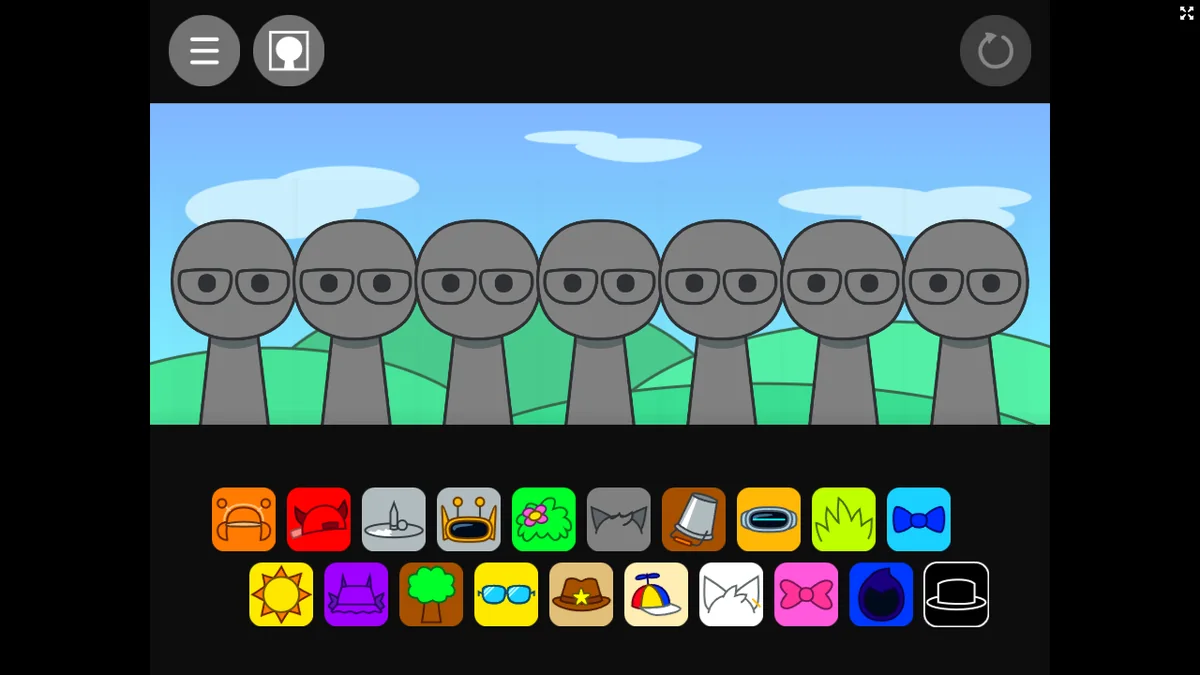
For a balanced starting mix, choose beat, bass, melody, and voice. For a rhythm-led version, keep beat and bass, add lighter percussion, and use only one melody. For a spacious version, select a steady pulse, sustained support, longer lead phrase, and restrained effect. These recipes describe roles, allowing them to survive differences between versions or character positions.
Play each combination for two loops at the same volume. Replace only one performer between versions and state the result: clearer pulse, more room for the lead, stronger transition, or excessive density. A combination is not “best” merely because it is loud or fills every slot; it should solve a particular listening goal.
Choose the balanced recipe for a first session, the rhythm-led recipe for energy, and the spacious recipe for longer or calmer listening. Personal preference remains part of the decision. This guide offers a repeatable evaluation method and does not claim one official or universally superior roster.