What this guide covers
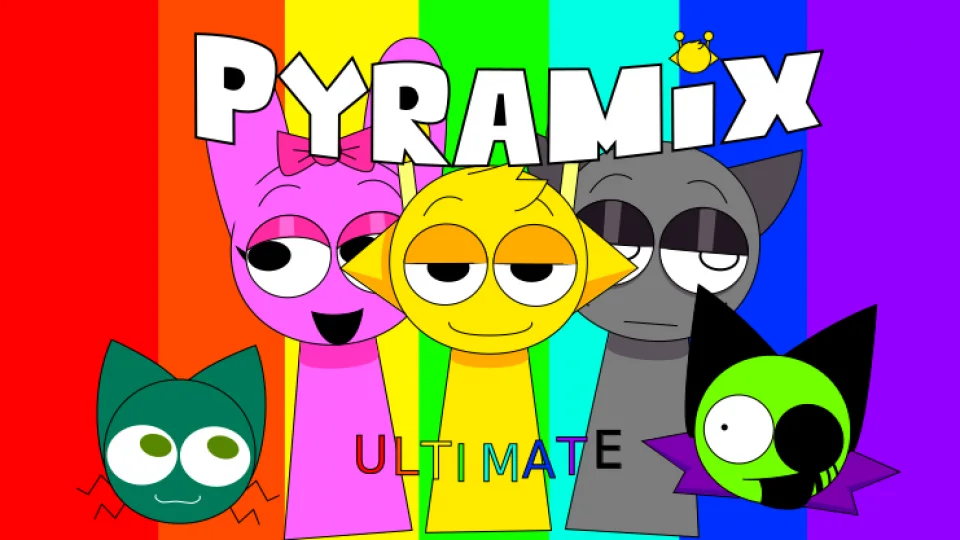
Learn a dense Pyramixed roster by trying character roles in small controlled groups. The goal is to help players make a useful choice or solve a real gameplay problem without requiring music-production experience.
A practical approach
- Start with four performers.
- Separate rhythm and melody tests.
- Record useful combinations.
- Add expansion characters last.
- Reload if a large build becomes unresponsive.
What to check before continuing
Where to go next
Use the related games and guides below to continue with a more specific version, device, or mixing goal.
Frequently asked questions
Does this advice work in every music-mixing game?
The core listening and layering method is widely applicable, while exact buttons and special modes can differ by game.
Do I need headphones?
They are optional, but headphones make quiet effects, bass parts, and stereo details easier to separate.
Should I fill every character slot?
No. A smaller arrangement often sounds clearer because every loop has more room.
Can I use these steps on mobile?
Yes. Use touch controls and landscape orientation when the game board needs additional horizontal space.
Worked case: learn the large roster in small groups
Begin Pyramixed Ultimate with four functional roles rather than a full stage: one reliable beat, one low supporting loop, one recognizable melody, and one voice or effect. Let the group repeat twice. Now audition three alternatives for only the final role. This creates a controlled comparison and prevents the expanded roster from turning the first session into random browsing.
If the fifth performer adds texture but hides the pulse, remove it and try a quieter candidate. If two melodies peak at the same moments, keep the one that communicates the theme more clearly. On desktop, use the available space to compare icons while keeping the active roster compact. On a phone, explore one portion of the roster at a time and reset when selections become difficult to track.
The guide succeeds when a player can name why the Ultimate roster is useful: it offers meaningful substitutes, alternate moods, or transitions for an already readable core. Raw character count is not the conclusion. Beginners who cannot yet identify beat, bass, melody, and voice roles should practice with a smaller mixer first, then return when the extra choices answer a specific musical need.
For later sessions, keep one successful four-role core and explore a different category of substitutes each time instead of repeating the entire roster search.